“Supporting staff through periods of uncertainty and change – leading through accompaniment.”
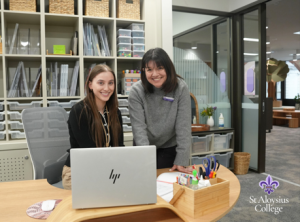
Viviana Graney: Director of Teaching and Learning (Primary) St Aloysius College, Adelaide
My Mercy Middle Leaders project focused on developing a structured Re-orientation Procedure for teachers returning to the classroom after 12 months or more of extended leave. Inspired by the Mercy charism and the learnings of the Middle Leaders Program, the project explores how compassionate and values-based leadership can support staff through significant professional and personal transitions. Rather than viewing re-entry as simply an administrative process, the initiative recognises it as an experience that requires understanding, support and a strong sense of belonging.
Throughout the Middle Leaders Program, I was encouraged to reflect on how leadership within Mercy ministries is grounded in the Mercy Values that we promote at St Aloysius College, Adelaide. These principles informed every aspect of my project. As Director of Teaching and Learning (Primary), I became increasingly aware that teachers returning after extended leave often face significant transitions. They may encounter curriculum and pedagogical changes, new policies and procedures, altered team structures, and shifts in their professional identity. For some, particularly those returning from parental leave or extended personal leave, rebuilding confidence and reconnecting with the school community can be challenging. This project provided an opportunity to consider how Mercy leadership can support staff through periods of uncertainty and change.
The proposed re-orientation procedure provides a framework across three phases. Prior to returning to the classroom, teachers participate in an orientation meeting designed to reduce uncertainty and ensure they feel informed and welcomed. During the first weeks of teaching, leaders provide wellbeing check-ins, classroom support and opportunities for professional reflection. A follow-up review meeting allows for ongoing adjustments to ensure support remains responsive to individual needs.
A key learning from this project has been the importance of leading through accompaniment. Mercy leadership calls us to listen before solving, recognise the dignity and experience each person brings, and create environments in which individuals can flourish. The project emphasises that re-orientation is not a remedial process but a relational one, grounded in respect and genuine care for the wellbeing of colleagues.
Reflecting on this work, I have gained a deeper appreciation of how middle leaders can influence culture through meaningful practices. By intentionally supporting teachers during periods of transition, we strengthen professional confidence, foster belonging and ultimately enhance outcomes for students. This initiative represents a practical expression of the Mercy mission, ensuring that those returning to our community are welcomed with compassion, supported with justice, and empowered to re-engage with courage and hope.